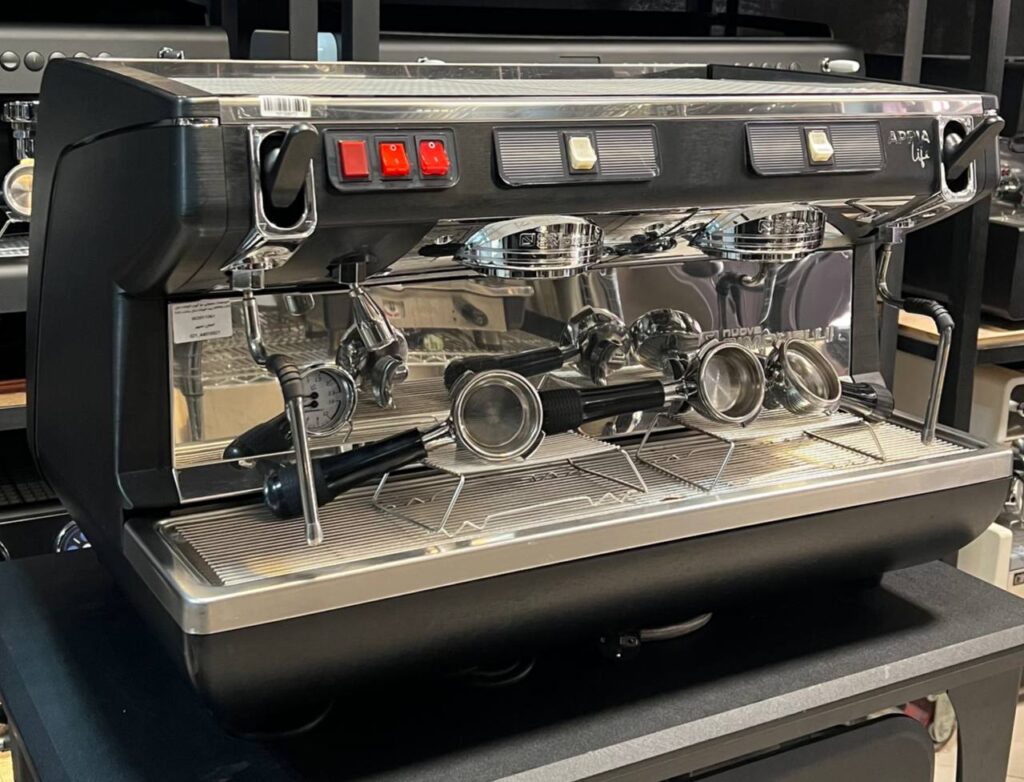
Principles of Espresso Extraction: Art and Science in a Cup
For many coffee lovers, no drink can replace a thick, aromatic shot of espresso. But have you ever wondered why the taste of espresso in professional cafes differs from what you prepare at home? The answer lies in a proper understanding of the espresso extraction process. This process is a complex combination of physics, chemistry, and manual skill that ultimately leads to the creation of the black magic known as espresso.
What is Espresso Extraction?
In simple terms, espresso extraction means dissolving the solids and aromatic oils of the coffee bean into hot water under pressure. In this process, water acts as a solvent, separating compounds such as acids, sugars, fats, and caffeine from the coffee structure. Our goal in a principled extraction is to create a balance between these compounds so that neither a burnt taste nor a watery and sour taste is perceived.
Vital Variables in Espresso Extraction
To master espresso extraction, you must recognize and be able to control seven main variables:
1. Grind Size
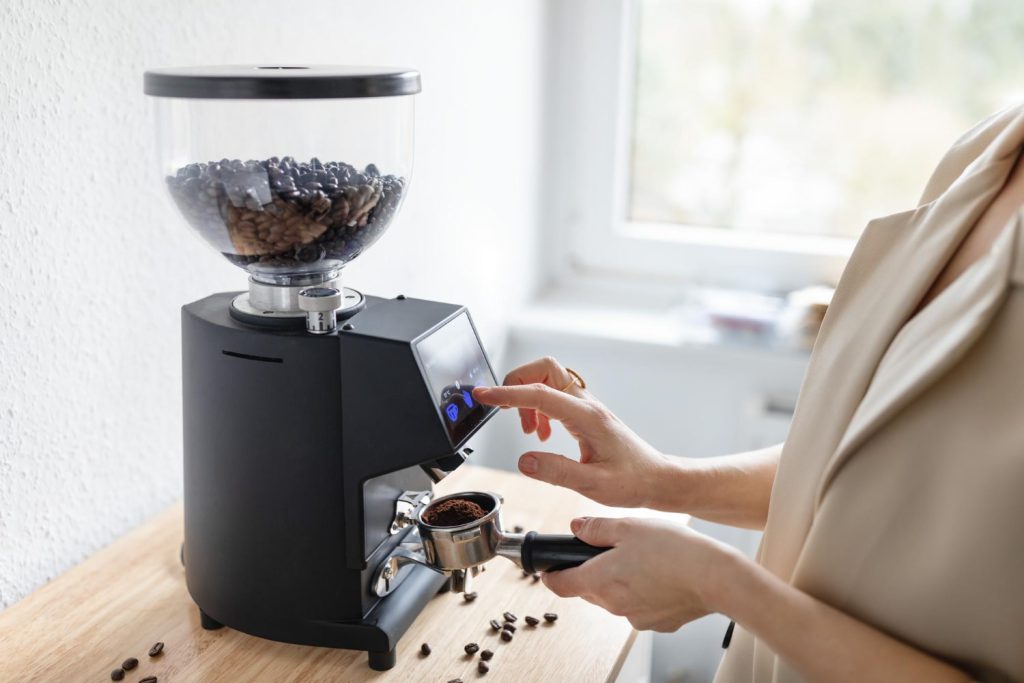
The most important factor in controlling the water flow rate is the grind size. For espresso, coffee must be ground very fine, something similar to powdered salt or very fine sugar. If the grind is too coarse, water passes through quickly, and the espresso extraction remains incomplete. If it is too fine, the water path is blocked, and the coffee burns.
2. Dose
The amount of coffee powder you pour into the portafilter basket is called the dose. For a standard double shot, usually between 18 to 20 grams of coffee is used. Consistency in weighing the coffee is the key to repeatability in espresso extraction.
3. Yield
The weight of the final liquid that pours into the cup is called the yield. The golden ratio in espresso is usually 1:2; meaning for every 18 grams of coffee powder, you should receive 36 grams of extract.
Espresso Extraction Troubleshooting Guide
| Extraction Type | Time (Seconds) | Final Taste | Corrective Solution |
|---|---|---|---|
| Under-extracted | Less than 20 | Sour, Salty, Watery | Finer grind size |
| Over-extracted | More than 35 | Bitter, Astringent, Burnt | Coarser grind size |
| Balanced (Ideal) | 25 to 30 | Sweet, Mild Acidity, Thick | Maintain current settings |
Step-by-Step Guide to Espresso Extraction
To achieve a standard cup, follow these steps carefully:
Step One: Preparing the Portafilter
First, clean the portafilter basket with a dry cloth. The presence of moisture or leftover coffee from the previous shot diverts the water flow path and negatively affects the quality of the espresso extraction.
Step Two: Weighing and Distribution
Grind the coffee directly into the basket and check its weight with a scale. Then, using a distribution tool (Distributor) or your finger, level the coffee surface completely. The goal is for the density of the coffee powder to be uniform at all points in the basket.
Step Three: Tamping
Using a tamper, apply even, vertical pressure to the coffee powder. The pressure should be enough to force out the air between the particles and create a compressed coffee puck. An imbalance in tamping causes the “Channeling” phenomenon, which is the main enemy of espresso extraction.
Step Four: Flushing and Starting Extraction
Before locking the portafilter, let some water flow out of the group head (Flush) to stabilize the water temperature. Then, lock the portafilter and immediately press the extraction button. Delaying this will cause the coffee surface to burn due to the high temperature of the group head.
Water Chemistry and Its Impact on Espresso Extraction
More than 90% of a cup of espresso consists of water. If you use hard water or water with high chlorine, all your efforts for espresso extraction will fail. Ideal water should have a hardness (TDS) between 75 to 150 ppm. Minerals in the water, such as magnesium and calcium, help extract flavors better, but an excessive amount causes scale in the machine and an astringent taste.
The Role of Temperature in Espresso Extraction Stability
The standard temperature for preparing espresso is between 90 to 96 degrees Celsius.
- Low Temperature: Causes insolubility of sugars and creates a sour, bright output.
- High Temperature: Causes over-extraction of tannins and gives the coffee a bitter, ashy taste.
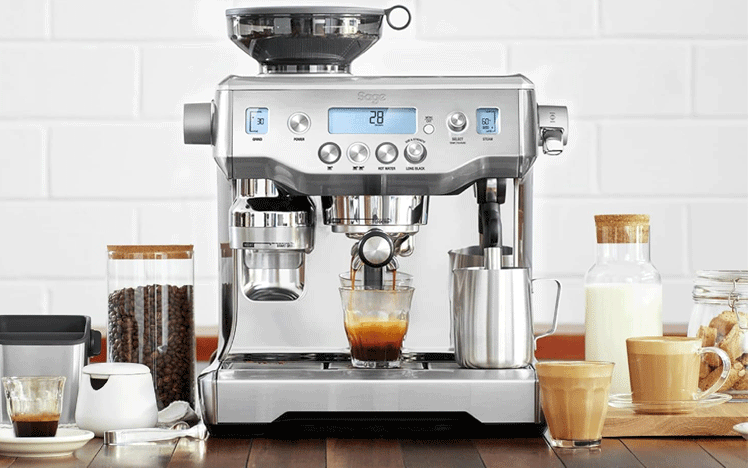
In professional machines, the PID system is responsible for precise control of this temperature so that the espresso extraction remains consistent in every shot.
What is Channeling and How to Stop It?
Channeling occurs when water, instead of passing uniformly through the entire coffee puck, finds narrow paths (channels) and passes through them with high pressure. The result is an extract that tastes both sour (from under-extracted parts) and bitter (from parts where too much water passed through). To prevent this problem in espresso extraction, the use of distribution needles (WDT) is highly recommended.
Differences in Roast Levels for Espresso Extraction
The type of coffee bean roast directly affects your strategy:
- Light Roast: These coffees have high density and are harder to extract. For this type, higher temperatures and longer times in espresso extraction are suggested.
- Dark Roast: These coffees are more porous and extract quickly. To prevent excessive bitterness, the water temperature should be reduced.
Importance of Machine Cleanliness for Output Quality
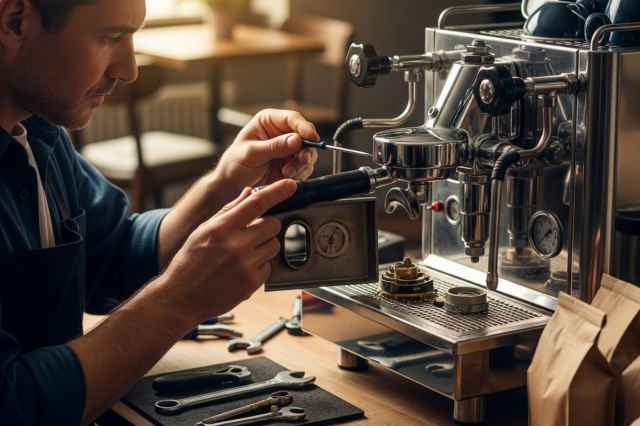
Residual coffee oils in the group head and portafilter oxidize quickly and give a soapy, unpleasant taste to the drink. Daily cleaning and backwashing the machine with special powder is an integral part of the professional espresso extraction process.
Conclusion
Mastering espresso extraction is a journey that requires practice, patience, and precision. By controlling variables such as grind size, coffee weight, and water temperature, you can unlock the true potential of the coffee beans. Remember that scales and timers are your best friends on this path. Every cup of espresso is an opportunity to learn; so do not be afraid to experiment and find your ideal flavor by changing the parameters.
We hope this comprehensive guide on espresso extraction helps you discover your inner barista and enjoy drinking a perfect cup of coffee.