Coffee Maker Descaling: The Key to Flavor Quality and Machine Longevity
Drinking a cup of coffee with its true aroma and flavor is every coffee lover’s dream. But did you know that more than 98% of your cup’s content is water? Tap water contains minerals like calcium and magnesium that accumulate in your machine’s internal channels over time. The process of coffee maker descaling not only improves the taste of your coffee but also prevents expensive repairs.
Why is Coffee Maker Descaling Vitally Important?
The accumulation of limescale inside the boiler and water transfer pipes acts like clogged arteries in the human body. If you do not perform coffee maker descaling in a timely manner, you will face the following problems:
- Decreased Coffee Temperature: Scale acts as thermal insulation and prevents the heating element from properly warming the water.
- Change in Coffee Taste: Accumulated minerals cause a harsh, unpleasantly bitter, or even foul odor in the coffee.
- Excessive Pressure on the Pump: Clogged channels force the machine’s pump to endure more pressure to pass water, which eventually leads to it burning out.
- Complete Blockage of Nozzles: In severe cases, the coffee or steam output becomes completely blocked.
Warning Signs: When Does the Machine Need Descaling?
Many modern machines have warning lights, but if your machine is older, pay attention to these signs:
- The coffee flow has become very slow or is coming out drop by drop.
- The machine’s pump sound has become much louder and abnormal.
- The output coffee is not hot enough.
- You see white particles in the output water or the reservoir.
Comparison Table of Different Coffee Maker Descaling Methods
| Descaling Method | Pros | Cons | Professional Recommendation |
|---|---|---|---|
| Specialized Commercial Solutions | Safe for parts, high cleaning power | Higher price compared to home methods | Best option for maintaining warranty |
| Citric Acid | Cheap, odorless, good dissolving power | Requires precision in solution concentration | Suitable home alternative |
| White Vinegar | Very cheap and accessible | Strong odor, potential damage to rubber gaskets | Recommended only in emergencies |
Step-by-Step Guide to Professional Coffee Maker Descaling
To perform a successful coffee maker descaling, follow these steps:
Step 1: Preparing the Machine
First, empty the water reservoir completely and remove any internal water filters. Filters should not come into contact with the descaling solution as they will be damaged.
Step 2: Preparing the Descaling Solution
If you are using specialized powder or liquid, mix it with lukewarm water according to the instructions on the packaging. If using citric acid, dissolve two tablespoons in one liter of water. Pour the solution into the machine’s reservoir.
Step 3: Running the Descaling Cycle
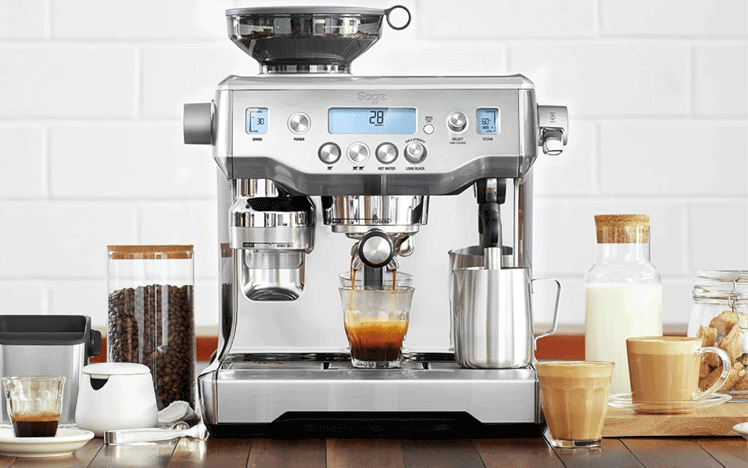
Turn the machine on. Place a large container under the group head and steam wand. Run half of the solution through the group head and the other half through the steam wand. Midway through, turn the machine off for 15 minutes to allow the solution to sit inside the boiler and dissolve hard deposits.
Step 4: Final Rinsing
This is the most critical part of coffee maker descaling. Wash the reservoir and fill it with completely purified water. Run at least two full reservoirs of water through the machine to ensure no trace of chemicals or acidic taste remains in the system.
Golden Tips to Reduce the Need for Coffee Maker Descaling
Prevention is always better than cure. To extend the intervals between coffee maker descaling, pay attention to these tips:
- Use Purified Water: Never use direct tap water. Mineral water is also not suitable due to high mineral content. The best option is water purified by RO (Reverse Osmosis) systems.
- Use Resin Filters: Some machines have the capability to install filters inside the reservoir, which significantly reduces water hardness.
- Empty the Water Reservoir: If you are not using the machine for more than two days, empty the reservoir to prevent stagnant water and scale buildup.
Common Mistakes in Coffee Maker Descaling
Many users damage their machines by making the following mistakes:
1. Using Baking Soda: Baking soda does not remove limescale and may even cause further clogging of the channels.
2. Insufficient Rinsing: Leaving descaling agents in the machine can cause mild poisoning or ruin the taste of subsequent coffees.
3. Ignoring the Steam Wand: Deposits in the steam wand cause a drop in milk pressure and poor milk foam quality; be sure to run the solution through this path as well.
Conclusion
Regular coffee maker descaling is not an expense, but an investment in maintaining the quality of your drink and the health of your machine. Given the water hardness in most regions, it is recommended to repeat this process every 3 to 6 months (depending on usage). By following the professional methods mentioned in this article, your machine will prepare delicious coffee for you for many years, just like the first day.
If you have any questions regarding coffee maker descaling for your specific brand (Delonghi, Nova, Mebashi, etc.), be sure to read the product manual or seek help from experienced specialists.