Common Mistakes in Buying Coffee Equipment; How Not to Waste Your Money?
Entering the world of specialty coffee is incredibly exciting, but for many, this journey begins with wrong expenses and inefficient purchases. Buying coffee equipment is more than just choosing a beautiful machine for your kitchen; it is an investment in your palate and your time. In this article, we take a deep dive into the mistakes that novice and even professional buyers commonly make when buying coffee equipment.
1. Prioritizing the Espresso Machine Over the Grinder
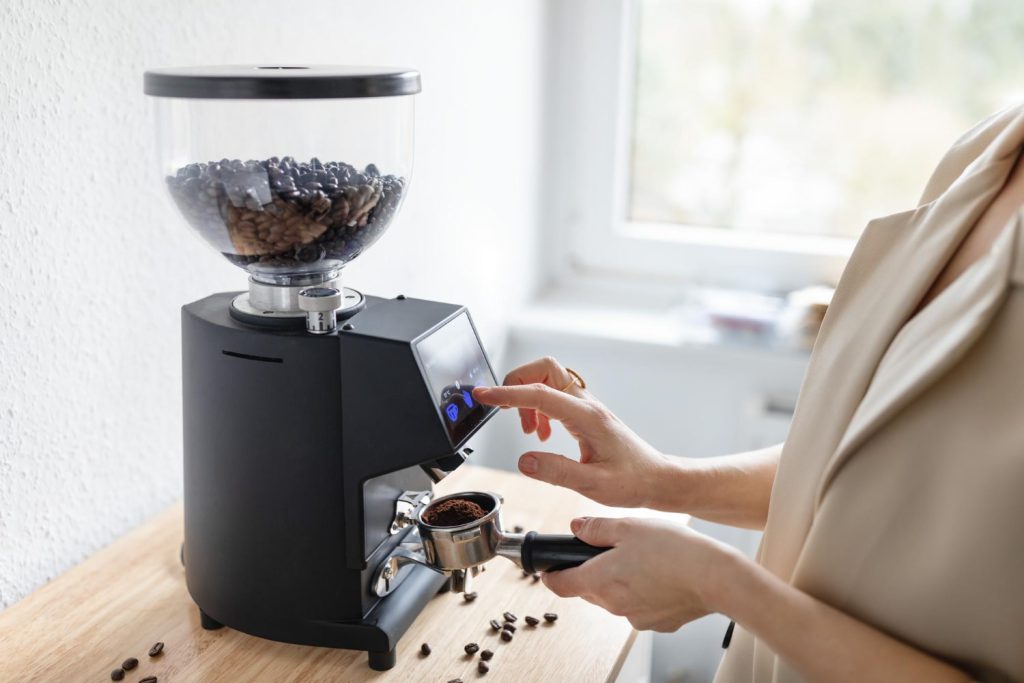
The biggest and most common mistake in buying coffee equipment is allocating 90% of the budget to the espresso machine and buying an inexpensive grinder or even using pre-ground coffee.
You must know that extraction quality directly depends on the uniformity of the coffee particles. A $3,000 machine with poorly ground coffee will produce a worse result than a $300 machine paired with a professional grinder. When buying coffee equipment, always allocate at least 40% of your budget to the grinder.
2. Buying Based on Appearance and Brand Instead of Technical Specs
Many users, when buying coffee equipment, are deceived by classic designs or famous Italian brands without paying attention to the internal components.
Some brands charge more for the body design, while their boiler or pump is no different from cheaper models. Before buying coffee equipment, be sure to research the boiler material (copper, stainless steel, or aluminum) and the presence of a PID system (temperature control).
3. Ignoring Water Quality and Filtration
You might spend thousands of dollars on buying coffee equipment, but if you use direct tap water, your machine will fail in less than a year due to limescale buildup. Furthermore, high levels of chlorine and minerals in the water completely alter the taste of the coffee. In your buying coffee equipment list, be sure to include a water purification system or specialized filter pitchers.
Comparison Table: Essential Equipment vs. Accessories
| Priority | Part Name | Impact on Flavor | Necessity in Buying Coffee Equipment |
|---|---|---|---|
| 1 | Burr Grinder | Very High (Vital) | Mandatory |
| 2 | Digital Scale (0.1g accuracy) | High (For repeatability) | Mandatory |
| 3 | Quality Tamper | Medium (Prevents channeling) | Mandatory |
| 4 | Distributor | Medium | Optional (Recommended) |
| 5 | Cup Warmer | Low | Optional |
4. Neglecting Dimensions and Kitchen Space
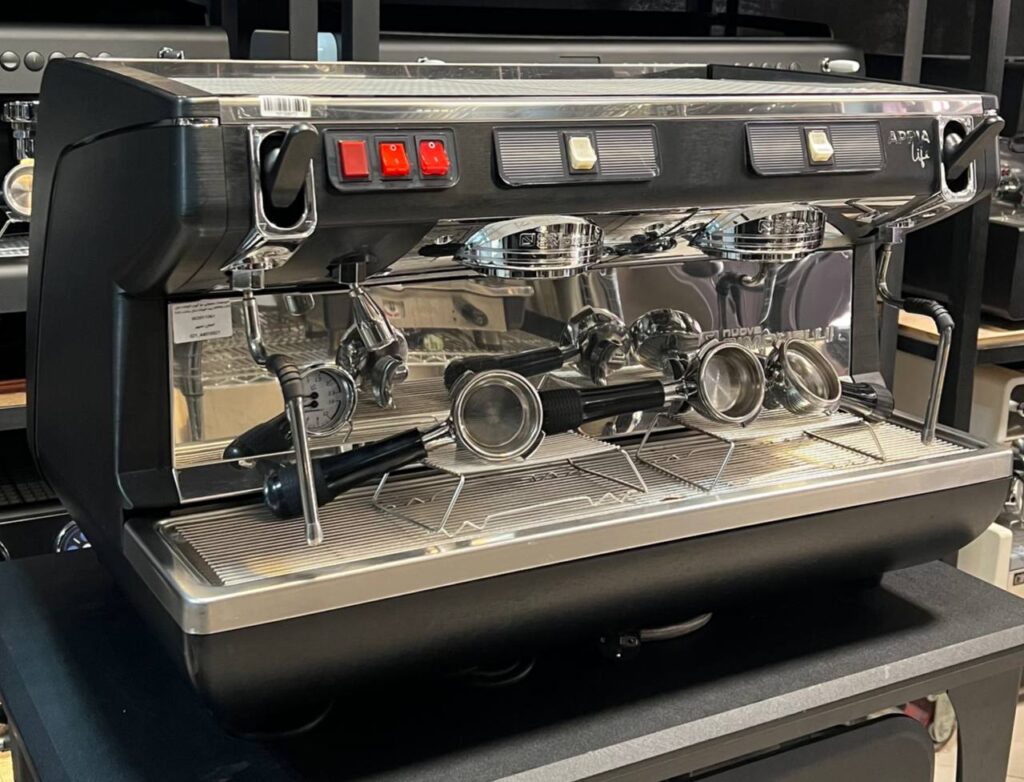
A logistical mistake in buying coffee equipment is ignoring the dimensions of the machine and its accessories. Semi-industrial machines are usually heavy and require a lot of space to maneuver the steam wand. Also, the noise of a grinder in small home environments can be annoying. Before finalizing your buying coffee equipment, measure the area where it will be placed.
5. Buying Complex Equipment for Beginners
Many people think that by buying coffee equipment that is professional and complex, they will become a barista faster. However, the reality is that working with manual machines without prior knowledge leads to frustration and wasted coffee. If you are a beginner, look for models that are more user-friendly when buying coffee equipment and upgrade your gear over time.
6. Forgetting Cleaning Supplies
In the process of buying coffee equipment, most people forget to buy cleaning powder, group head brushes, and microfiber cloths. Coffee contains oils that go rancid quickly and ruin the taste of subsequent drinks. If you don’t include cleaning in your buying coffee equipment plan, the lifespan of your machine will be drastically reduced.
7. Buying Cheap and Inaccurate Scales
Coffee is a science, and precision is paramount. Using a scoop instead of a scale is the biggest enemy of flavor consistency. When buying coffee equipment, get a scale that has a high response speed and can display weight down to 0.1 grams. This is one of the least expensive parts of buying coffee equipment that has the most significant impact on your professional growth.
8. Being Fooled by Marketing Numbers (e.g., 15-Bar Pressure)
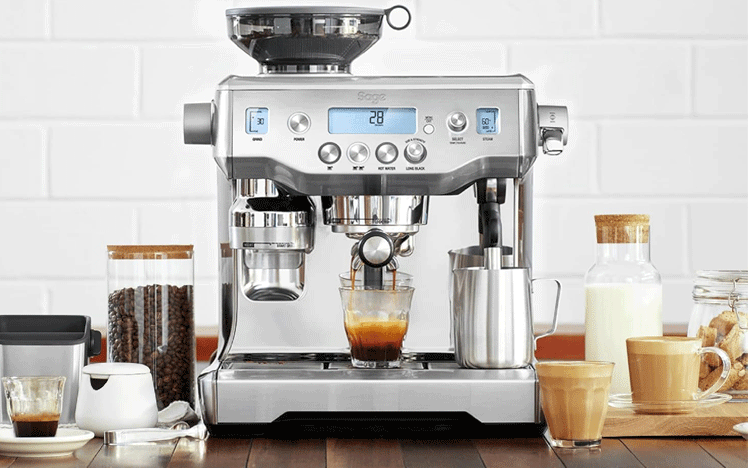
Many inexpensive home machines attract customers by advertising “20-bar pressure.” The truth is that standard espresso only requires 9 bars of pressure. Higher numbers in cheap machines do not indicate quality, but rather weak vibratory pumps that lack stability. When buying coffee equipment, pay attention to pressure and temperature stability instead of large numbers.
9. Lack of Research on After-Sales Service
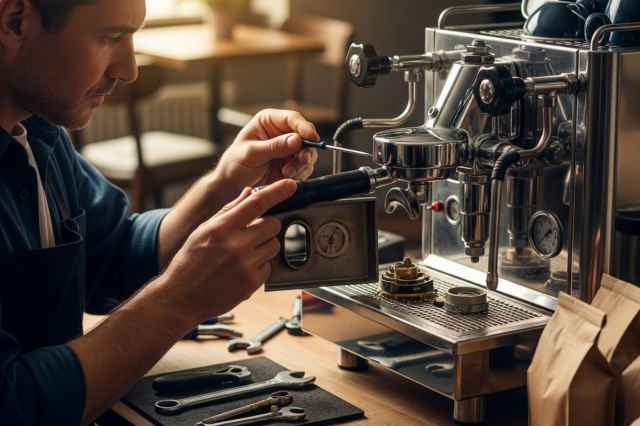
Coffee equipment, due to working with hot water and high pressure, will sooner or later need servicing. Buying coffee equipment from brands whose spare parts are not available in the market is a big risk. Always ensure the availability of gaskets, baskets, and specialized technicians for that brand before buying coffee equipment.
10. Buying Low-Quality Coffee for an Expensive Machine
This is a strategic mistake. You perform all the steps of buying coffee equipment correctly, but you use stale, commercial supermarket coffee. Professional equipment makes coffee defects even more apparent. After buying coffee equipment, be sure to look for freshly roasted beans from reputable roasteries.
Conclusion
Buying coffee equipment is a delightful journey, provided it is done with awareness. By avoiding mistakes such as ignoring the grinder, neglecting water quality, and being deceived by superficial advertising, you can have a professional coffee station at home. Remember that the best equipment is what matches your skill level and actual needs. Before taking any action for buying coffee equipment, study, watch review videos, and if possible, experience working with the machine in person.
If you have doubts about your buying coffee equipment list, our consultants are ready to guide you toward a smart and economical choice.