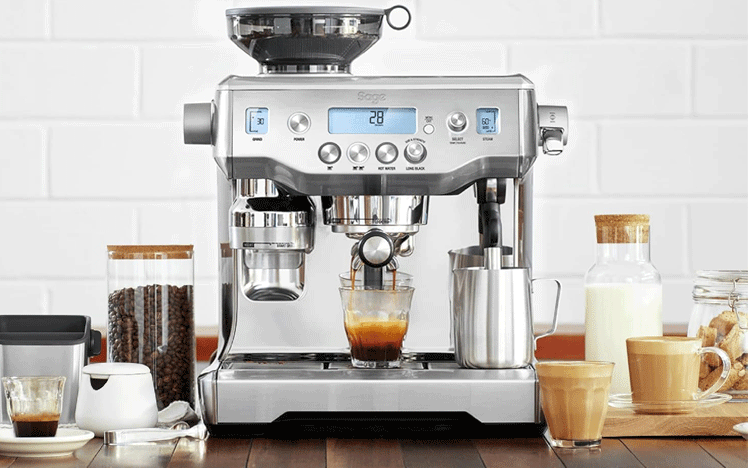
Difference Between Home and Semi-Industrial Coffee Machines; A Comprehensive Guide to Selection and Purchase
The world of coffee is expansive, and choosing the right tool for extraction is the first step toward achieving an ideal cup of coffee. Many users face a common question when purchasing: What is the main difference between a standard home appliance and a semi-industrial coffee machine? Is a higher price simply an indicator of better quality, or are there more complex technical parameters involved? In this article, we provide a detailed analysis of the structural, functional, and durability differences between these two categories of equipment.
1. General Definition: Home Machine vs. Semi-Industrial Coffee Machine
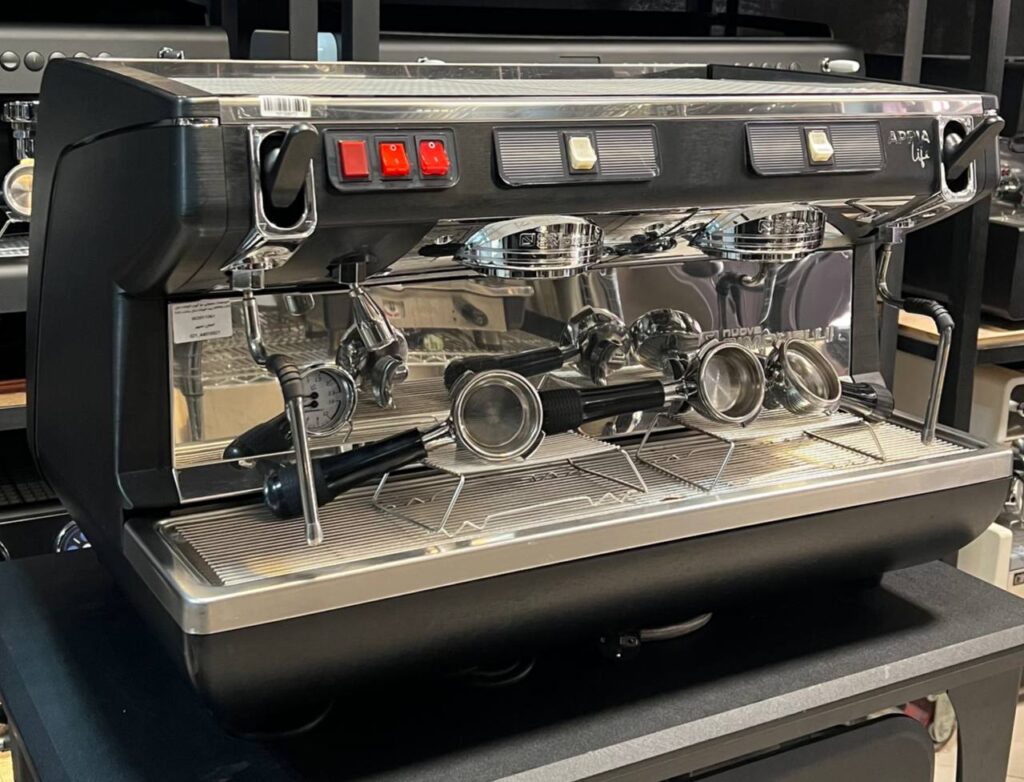
Home machines are designed for limited use (typically 2 to 4 cups per day). Their bodies are usually made of plastic or thin stainless steel. In contrast, a semi-industrial coffee machine acts as a bridge between the home world and professional cafes. These machines are built for environments such as offices, small shops, or home baristas seeking commercial-grade quality.
2. Differences in Boiler System and Thermal Power
One of the primary differences lies in the heart of the machine: the boiler (water heater):
- Home Machine: These usually utilize a Thermoblock system that heats water instantaneously. This system is not suitable for continuous use and offers lower thermal stability.
- Semi-Industrial Coffee Machine: These feature larger boilers made of copper or brass. These boilers store a larger volume of hot water and provide exceptional thermal stability during consecutive extractions.
3. Portafilter: Size and Material
If you look at the coffee output section, you will notice a significant difference. Most home machines have portafilters sized at 51mm or 53mm, made of aluminum or light steel. However, a standard semi-industrial coffee machine utilizes a 58mm portafilter (the global standard for professional cafes). This larger size ensures more uniform extraction and results in a richer coffee flavor.
Technical Comparison Table: Home vs. Semi-Industrial Coffee Machine
| Feature | Home Machine | Semi-Industrial Coffee Machine |
|---|---|---|
| Daily Capacity | 5 to 10 Cups | 30 to 70 Cups |
| Portafilter Size | 51 mm | 58 mm (Commercial Standard) |
| Body Material | Plastic & Light Steel | Heavy-Duty Stainless Steel |
| Steam Power | Moderate (Suitable for Lattes) | Very Strong (Suitable for Latte Art) |
| Machine Weight | 3 to 5 kg | 10 to 20 kg |
4. Steam Wand Power and Milk Frothing
If you enjoy preparing cappuccinos or lattes, steam power is vital. In home machines, steam pressure often drops after a few seconds. However, in a semi-industrial coffee machine, due to a separate boiler or advanced heating systems, you have access to dry, high-pressure steam that allows you to create velvety foam and professional micro-foam for latte art.
5. Machine Pump: Vibratory or Rotary?
Most machines in both categories use vibratory pumps, but the quality of the pump in a semi-industrial coffee machine is significantly higher. These pumps provide the constant 9-bar pressure essential for a standard espresso with greater precision. Additionally, the noise produced in semi-industrial models is much lower than cheap home models due to better insulation.
6. Durability and Repairability
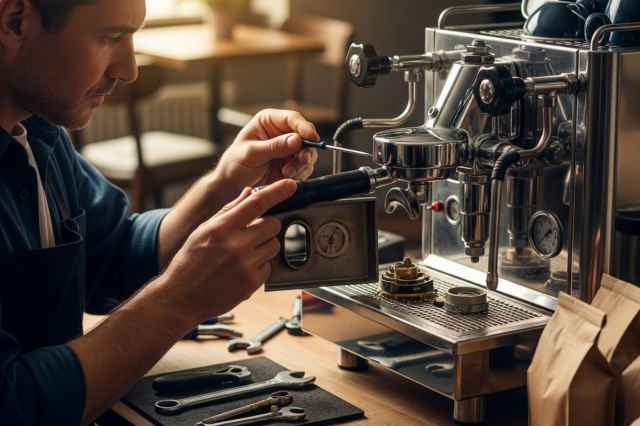
Home machines are often built as integrated units, making them difficult or uneconomical to repair if internal parts fail. In contrast, a semi-industrial coffee machine is designed so that its components (such as gaskets, solenoid valves, and pumps) are easily replaceable and upgradeable. With proper maintenance, these machines can last for more than 10 years.
7. When Should You Buy a Semi-Industrial Coffee Machine?
Purchasing a semi-industrial coffee machine is recommended for the following individuals:
- Those planning to start a small cafe or a coffee kiosk.
- Corporate offices with a medium number of staff who value coffee quality.
- Home baristas who want to upgrade their skills to a professional level.
- People looking for a machine with a long lifespan and a robust build.
8. Price Analysis and Value for Money
It is obvious that the price of a semi-industrial coffee machine is several times higher than home models. However, this price difference is due to the use of copper, brass, and high-grade steel in internal components. In fact, by purchasing this machine, you eliminate the costs of frequent repairs and the need to replace weak home machines in the long run.
Conclusion
The choice between these two types of machines depends entirely on your needs and budget. If you only drink one cup of coffee in the morning, a home machine will suffice. However, if you are looking for consistency in flavor, high steam power, and a machine that does not lose quality during repeated use, choosing a semi-industrial coffee machine will undoubtedly be the smartest decision. These machines not only transform the quality of your beverage but also bring a sense of professionalism to your environment.
For more advice on purchasing various types of semi-industrial coffee machine models, you can contact our technical experts to help you choose the best model suited for your space.